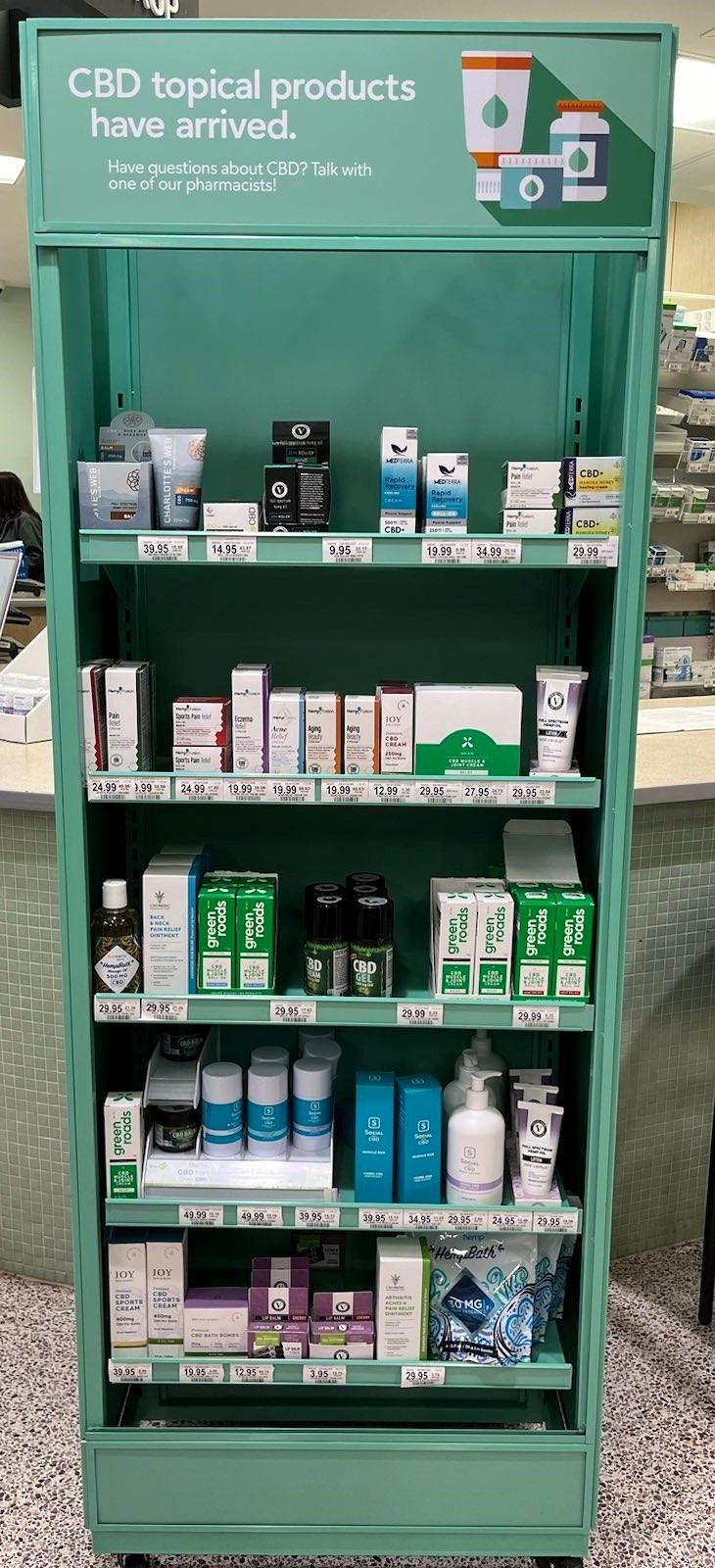
As consumer interest in mental wellness continues to grow, cannabidiol (CBD) has emerged as one of the most discussed compounds in the wellness and cannabis industries. Marketed for stress relief, mood support, sleep improvement, and emotional balance, CBD now occupies shelf space in pharmacies, dispensaries, and wellness boutiques alike. But as enthusiasm grows, so does an important question: what does the future really hold for CBD and mental health, and is more research needed?
Early scientific interest in CBD’s mental health potential is rooted in its interaction with the endocannabinoid system (ECS), a regulatory network involved in mood, stress response, sleep, and emotional processing. Unlike THC, CBD does not produce intoxicating effects, making it more accessible to a broader consumer base, including individuals seeking mental wellness support without impairment.
Preclinical and early clinical studies have suggested that CBD may play a role in reducing anxiety, moderating stress responses, and supporting sleep quality. Small human trials have explored its potential impact on conditions such as generalized anxiety disorder, social anxiety, and insomnia. These findings, while promising, are often limited by small sample sizes, short study durations, and inconsistent dosing protocols.
Looking ahead, one of the most significant developments for CBD and mental health will likely be increased clinical validation. Regulatory barriers and inconsistent federal oversight have historically slowed large-scale, placebo-controlled trials. However, as hemp-derived CBD remains federally legal in the U.S. and global interest increases, more academic institutions and pharmaceutical researchers are beginning to invest in longer-term, higher-quality studies.
Standardization will also shape the future of CBD mental health products. Currently, consumers face a fragmented market with wide variations in potency, formulation, bioavailability, and quality. As research advances, the industry is expected to move toward more precise formulations tailored to specific outcomes, such as stress support, sleep regulation, or mood balance. This shift could improve consumer trust while reducing misinformation and unrealistic expectations.
Another key area of future growth is education. Many consumers still view CBD as a cure-all rather than a wellness tool with limitations. Responsible brands and industry leaders are increasingly emphasizing realistic messaging, transparency, and evidence-based claims. This educational shift aligns with growing calls from healthcare professionals who caution that CBD should complement—not replace—professional mental health care.
So, is more research needed? The answer is unequivocally yes. While existing data supports CBD’s general safety profile and highlights potential benefits, definitive conclusions about long-term mental health outcomes, optimal dosing, drug interactions, and condition-specific efficacy remain incomplete. Without robust clinical evidence, both consumers and regulators are left navigating uncertainty.
The future of CBD and mental health appears cautiously optimistic. As science catches up with consumer demand, CBD may find a more clearly defined role within holistic mental wellness strategies. Continued research, improved regulation, and honest industry practices will determine whether CBD becomes a respected wellness tool or remains an overhyped trend. For the industry to mature responsibly, investment in credible research is not just beneficial—it is essential.